
We Buy Houses in Virginia
A written cash offer within 24 hours, based on a short call about your home's condition.
Prefer to talk it through? Call (984) 489-8269
Selling Your House for Cash in Virginia
We buy houses across Virginia, as-is, for cash.
It starts with one phone call about your home's condition, and we send a written offer within 24 hours. Your cash offer is based on what you tell us about the house. If your answers reflect its real condition, the price on the contract is the price at closing. Closing goes through a licensed settlement agent, an attorney or title company, and you choose the date, in as little as 14 days.
At a glance
- Close in as little as 14 days
- Any condition, as it stands
Selling in Virginia
How Selling Your Virginia Home Works

1. Start With a Call
One phone call about your home’s condition. The house is sold as-is, so there is nothing to fix first.
2. A Written Offer in 24 Hours
We send a written cash offer within 24 hours. If what you told us is accurate, the contract price is the closing price.
3. Settle on Your Date
A licensed settlement agent, an attorney or title company, closes the sale. You choose the date, in as little as 14 days.


We Buy Houses in These Virginia Cities
Selling a Virginia House As-Is: What You Still Have to Disclose
Virginia is a “buyer beware” state. The seller gives the buyer a standard disclosure statement saying the owner makes no representations or warranties about the condition of the house, and the buyer is told to do whatever checking they think they need, such as a home inspection 1.
That statement isn't the whole story, though. Virginia law still has the owner tell a buyer certain things the owner actually knows about. One is a house with two or more flood insurance claims of more than $1,000 paid by the National Flood Insurance Program within ten years 2. Another is a pending building code violation affecting safe, sanitary living conditions, or a zoning violation, that the city or county has notified you about in writing 3. If the house was built before 1978, federal law has the seller share what they know about lead-based paint, along with any reports, and give the buyer a lead hazard pamphlet 4. Generally, selling as-is doesn't change those duties.
In practice, tell us on the call what you know: the basement that takes on water, the letter from the city, the repair you never finished.
Cash Offer or Listing With an Agent in Virginia?
Listing with an agent can bring a higher price than a cash offer, especially for a house in good shape. What matters is what you keep. A listing usually means a commission, the repairs a buyer's inspector asks for, and months of mortgage, insurance, taxes and utilities while the house is for sale.
To compare the two, estimate what a listing would leave you after those costs, as in this example, then hold our written offer against that number. If listing leaves you more and you have time to wait, listing may suit you better.
On a $300,000 sale
Example, not a quote.
Listing with an agent
- Sale price
- $300,000
- Agent commission (5.5% here; it varies)
- −$16,500
- Repairs before listing (example)
- −$12,000
- Virginia grantor's tax (the seller's deed tax)
- −$300
- Deed preparation and seller's settlement fees (example; firms vary)
- −$500
- Three months of carrying costs (example)
- −$5,400
- You'd walk away with
- $265,300
Comparing a cash offer
In this example, listing would leave you about $265,300 before your mortgage payoff. Compare that with your cash offer, less any closing costs you'd still pay.
Your numbers depend on your house, your loan and your city or county. Want your real numbers? Enter your address above or call (984) 489-8269.
What It Costs to Sell a House in Virginia
Some costs of a Virginia sale fall on the seller by law, and your contract settles the rest. Virginia's standard purchase contract has the seller pay for preparing the deed and the grantor's tax, and the buyer pay for the title search, title insurance and recording 5. Here is what each cost is and what it usually runs.
See every cost line
| Item | Usually paid by | Typical |
|---|---|---|
| Grantor's tax on the deed | The seller, unless the buyer agrees to pay part or all of it 6 | 50 cents for each $500 of the price, the same as 10 cents per $100 6. About $300 on a $300,000 house. Northern Virginia localities add a regional fee 7. |
| Recordation tax on the deed | Usually the buyer: the standard contract has the buyer pay recording costs, and the seller only the grantor's tax 5 | 25 cents per $100 for the state 8, and a city or county may add a local tax equal to a third of that 9. |
| Deed preparation and settlement fees | The seller pays to prepare the deed 5. The buyer picks the settlement agent, and you can hire your own Virginia attorney 10. | Set by the firm. Ask for it in writing before you sign. |
| This year's real estate taxes | Divided between buyer and seller as of the settlement date, under the standard contract 5 | Your city's or county's tax bill. The settlement statement shows each side's share. |
| Mortgage payoff and any liens | Paid from your sale money at settlement | Whatever you still owe. Your lender must send a payoff statement within seven business days of a written request 11. |
Virginia's grantor tax and recordation tax
Virginia taxes a deed when it's recorded, in two parts. The grantor's tax, 50 cents for each $500 of the price, is the seller's by law, though the buyer may agree to pay some or all of it, and the clerk won't record the deed until it's paid 6. On a $300,000 house, that's $300. The recordation tax, 25 cents per $100 of the price or the assessed value, whichever is greater 8, is usually the buyer's under the standard contract 5.
Curious what your Virginia house would bring in cash?
Enter your address to get started. One short call about your home’s condition, and your cash offer comes in writing.
Rather talk to a person? Call (984) 489-8269
Selling a Virginia House in a Hard Spot
If one of these sounds like your situation, here's what Virginia law generally says about it, in plain terms. For advice on your own situation, talk to a Virginia attorney.
Facing foreclosureA trustee sells the house at auction. Here are the notice rules and the timeline.
When a Virginia home loan secured by a deed of trust goes into default, the lender can have the trustee sell the house at auction: at the house itself, in front of the circuit court building, or at another place in the city or county 12. For a home you live in, notice of the sale's time, date and place must be mailed to you by certified or registered mail at least 60 days before the sale 13. The sale is also advertised in a local newspaper, generally once a week for four weeks unless the deed of trust sets its own schedule, which can be as short as two weeks 14. If you've received that notice, talk to a Virginia real estate attorney before you sign anything.
Inherited a houseWho handles the will, who inherits without one, and what the small-asset affidavit covers.
Virginia doesn't have a separate probate court. The clerk of the circuit court probates wills and qualifies executors and administrators 15, usually in the city or county where the person lived 16. Whoever qualifies files a list of heirs, and it's also recorded where any real estate in the estate sits 17. With no will, a surviving spouse inherits the real estate, unless the person had children who aren't also the spouse's; then the children take two-thirds and the spouse one-third 18. A small-asset affidavit can collect up to $75,000 of other property once 60 days have passed 19, but it doesn't cover real estate 20. A Virginia probate attorney can tell you who has the power to sign the deed.
Behind on paymentsA servicer generally can't start foreclosure until you're more than 120 days behind.
Federal rules generally bar a mortgage servicer from starting foreclosure until you're more than 120 days behind 21. Once a Virginia trustee's sale is set, the 60-day notice clock is already running, so the time before that is the time to call your servicer about options, or to sell before a notice ever goes out.
Going through a divorceHow a Virginia court can divide a house in a divorce, and why selling can make it simpler.
In a Virginia divorce, the court decides which property is marital and which is separate, and property titled in both spouses' names is generally marital. To divide a jointly owned house, the court can give it to one spouse, let one buy out the other, or order it sold 22. Selling it yourselves turns the house into money that's simpler to divide. Your divorce attorneys can tell you what your order requires before either of you signs a contract.
Selling a rental with tenantsYour tenants don't have to move out first. Bring the lease and the deposit records to the call.
The tenant doesn't have to move out before we make an offer. A month-to-month tenancy can generally be ended by written notice at least 30 days before the next rent due date, unless the lease sets a different period 23. A security deposit can't be more than two months' rent, and it has to be accounted for when the tenancy ends 24. Tell us about the lease, the rent and the deposit on the call.
Moving away or downsizingLine the sale up with your move, and ask your next city or county about tax relief at 65.
The sale can line up with your move. If you're 65 or older and moving to another Virginia home, ask that city or county about real estate tax relief. Virginia lets each locality exempt or defer some or all of the tax on a home owned and lived in by someone 65 or older, on conditions the locality sets 25.
Virginia's Largest Housing Markets, September 2026
| City (county figures) | Median asking price | Median days on market |
|---|---|---|
| Virginia Beach | $487,000 | 37 days |
| Richmond | $387,000 | 39 days |
| Norfolk | $349,900 | 42 days |
| Chesapeake | $487,250 | 40 days |
| Newport News | $318,000 | 44 days |
| Hampton | $320,000 | 40 days |
| Portsmouth | $295,250 | 35 days |
| Roanoke | $249,475 | 64 days |
Virginia Beach, VA
| Median asking price | $487,000up 7% from a year earlier |
|---|---|
| Median days on market | 37 daysup 3% from a year earlier |
| Homes for sale | 1,125up 31% from a year earlier |
Homes listed in Virginia Beach, VA sat a median 37 days on the market in September 2026, up from 36 a year earlier. The median asking price in Virginia Beach, VA was $487,000 in September 2026, up 7% from a year earlier.
Source: Realtor.com Economic Research, September 2026. Asking prices of homes listed for sale, not sale prices.
Seller Stories
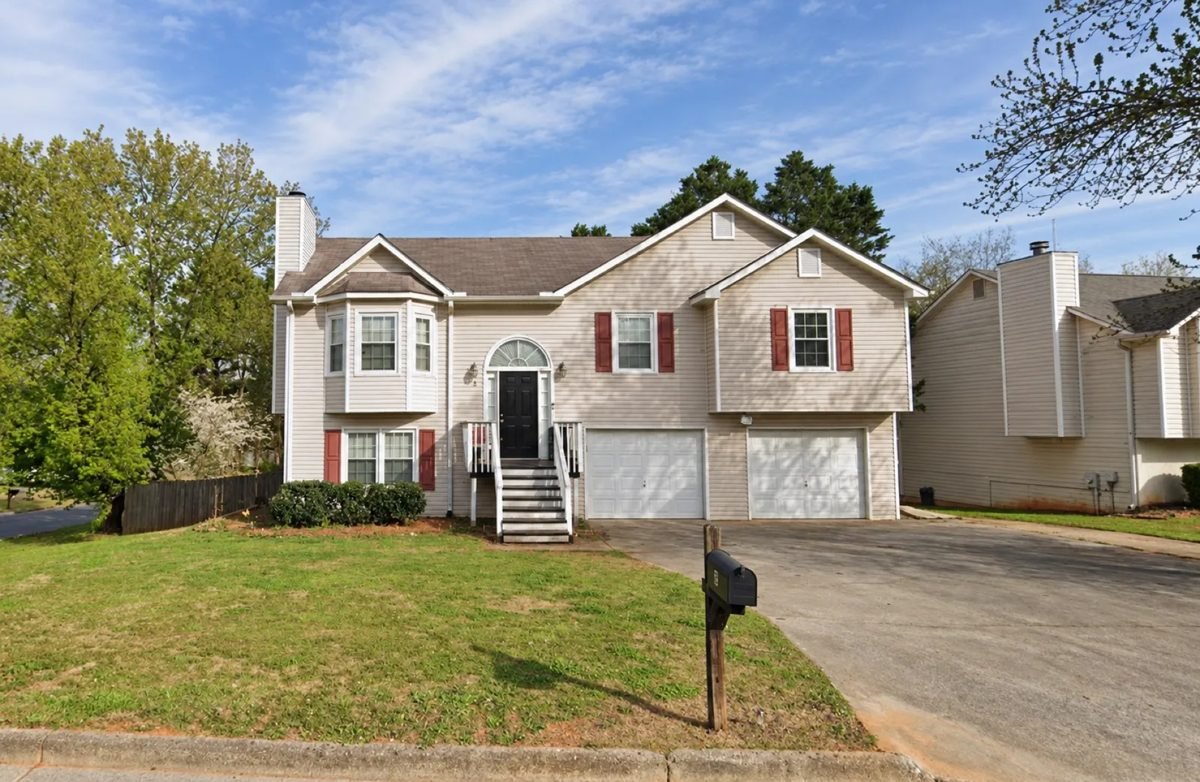
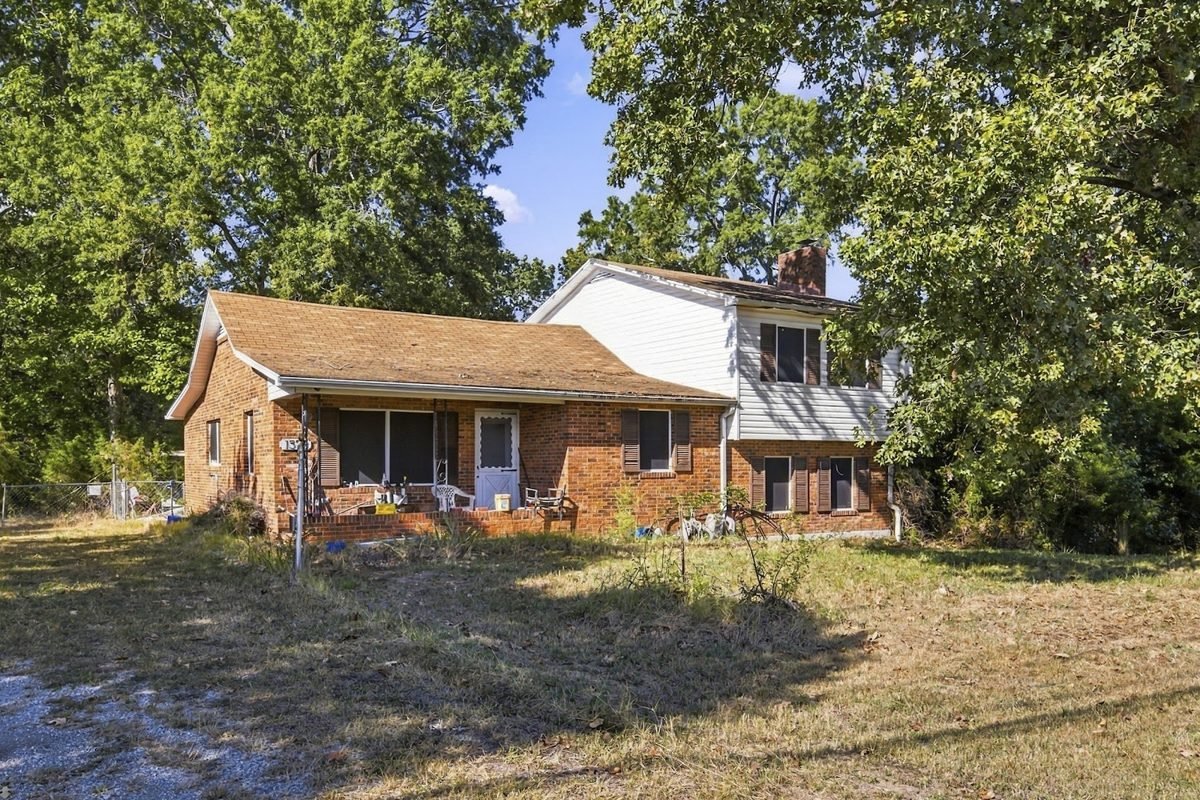
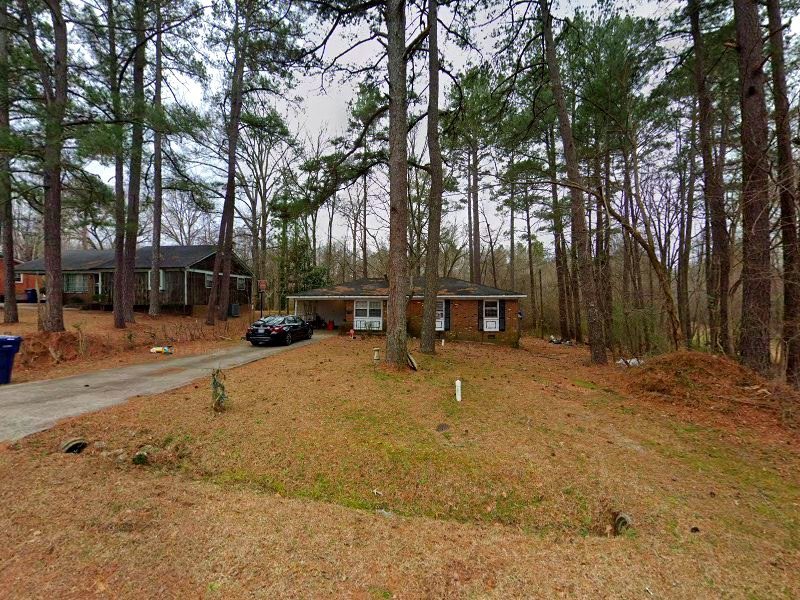
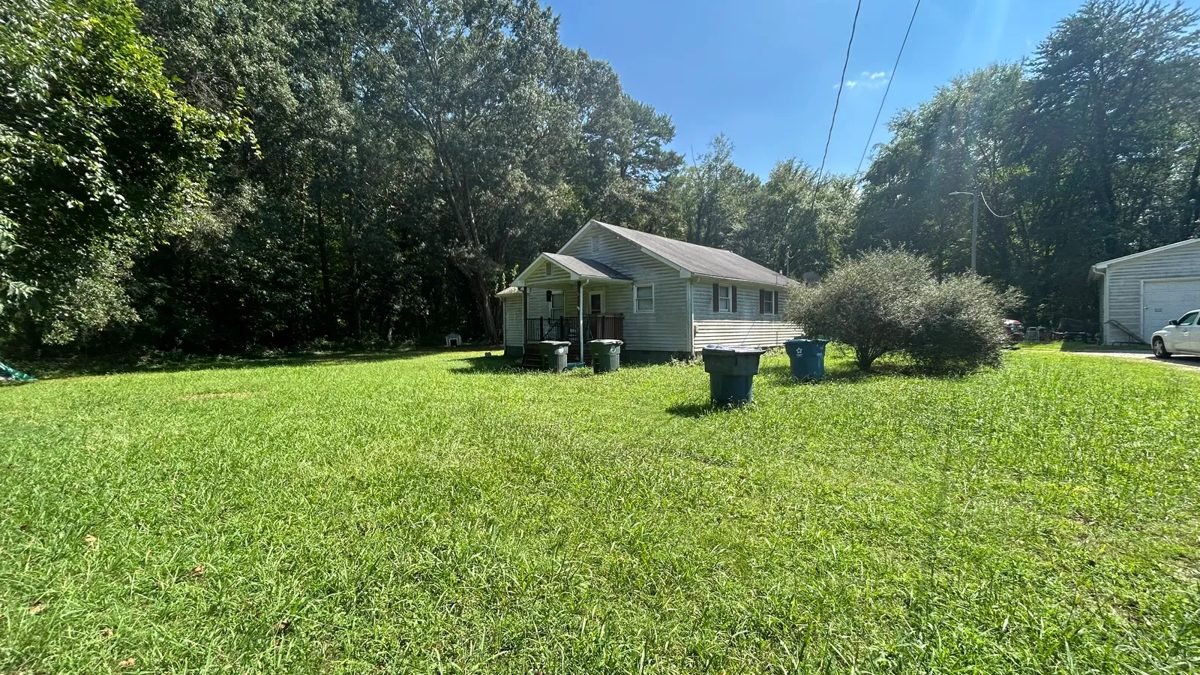
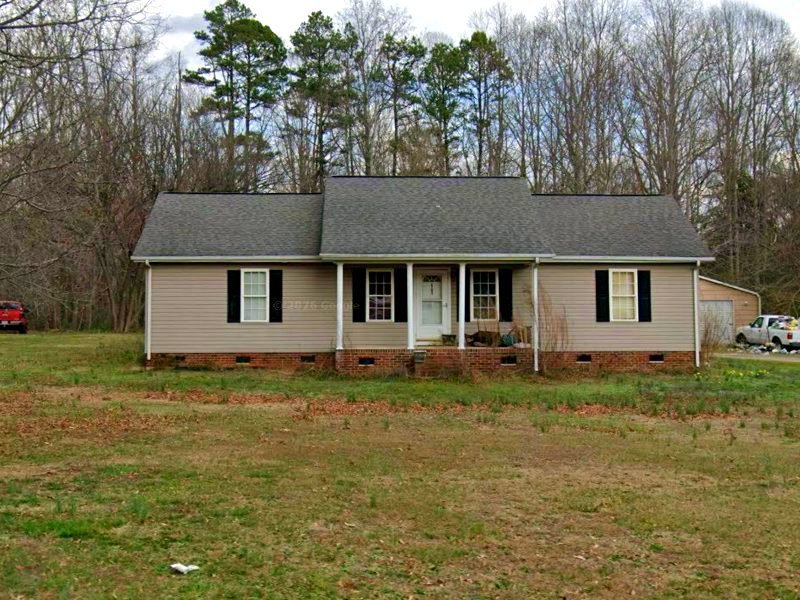
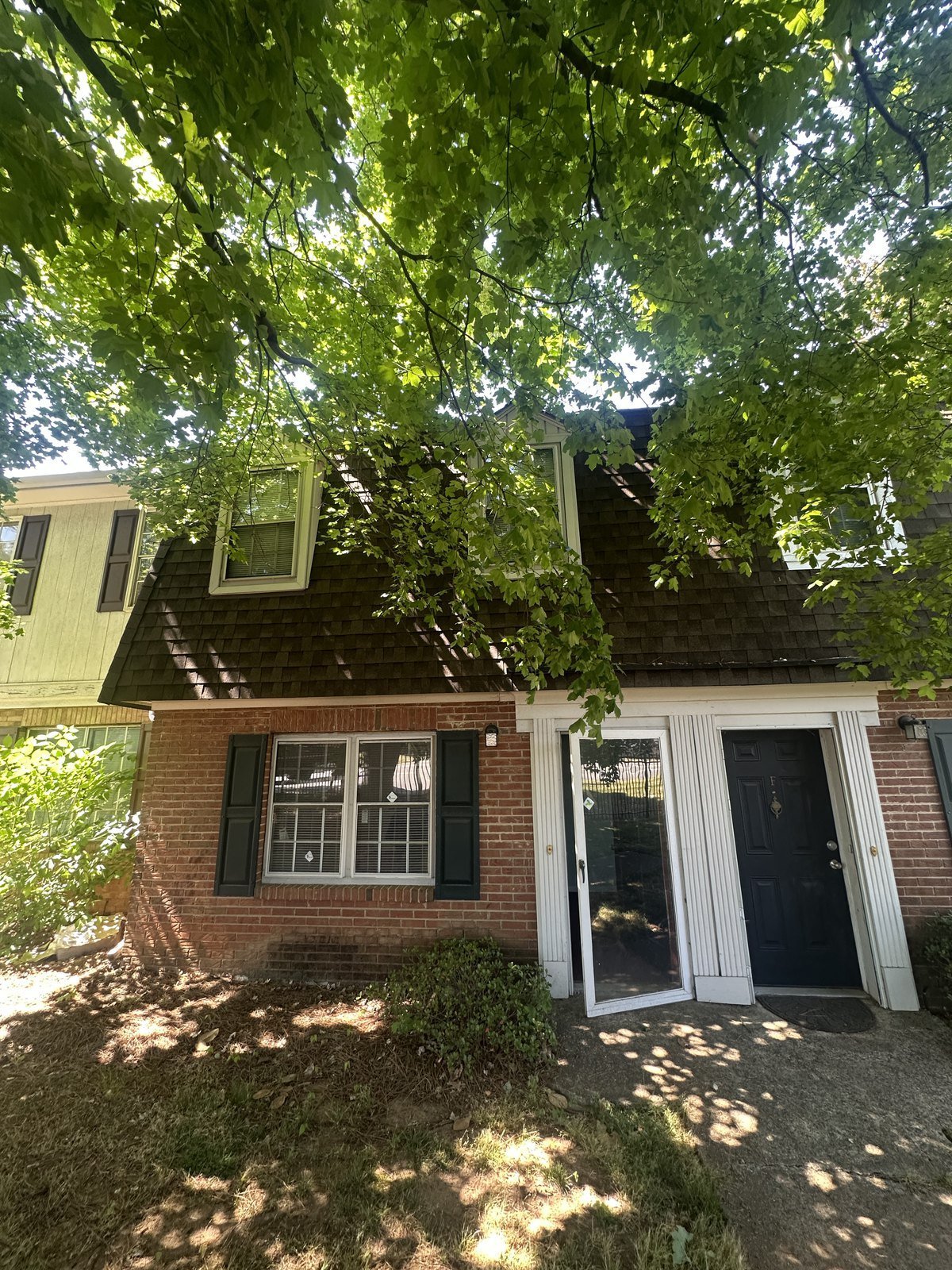
Read all the stories →Real sales, first names only. Here is what we handled for each one.
Virginia Cash Home Buyers: Common Questions
Prefer to talk it through?
Call (984) 489-8269How fast can you buy my house in Virginia?
Once you accept our written offer, you choose the settlement date. What sets the pace is paperwork. The settlement agent checks the title, and your lender has to send a payoff statement within seven business days of a written request 11. An estate that hasn't been opened yet or a tenant's lease can add steps, so tell us about either on the call.
Do you buy houses in every part of Virginia?
We buy houses across Virginia. Our Virginia city pages cover Virginia Beach, Norfolk, Portsmouth, Chesapeake, Newport News, Hampton, Richmond and Roanoke. If your house is somewhere else in the state, call us and tell us where it is.
Do I need an attorney to sell a house in Virginia?
How can I tell if a Virginia cash buyer is legitimate?
Ask for the company's full legal name and the state where it's registered, get the offer in writing, and ask who the settlement agent will be. Virginia allows only licensed attorneys, title insurance companies and agents, real estate brokers and banks to act as one 26, so you can check that license and call the office to confirm it's handling your sale.
My house is in a Virginia city, not a county. Does that change anything?
Only which offices you deal with. Virginia's cities are independent of the counties around them 27, so a city keeps its own records and sets its own real estate tax. In Virginia Beach and Richmond, for example, wills are probated by the city's own circuit court clerk 1628. The cash offer and the settlement work the same way in a city or a county.
Virginia Foreclosure, Inherited House and Closing Questions
- What closing costs does a seller pay in Virginia?
- Can I stop a foreclosure sale in Virginia by selling the house?
- Can the lender come after me after a foreclosure in Virginia?
- How do I sell an inherited house in Virginia?
- How long does foreclosure take in Virginia?
- How and when do I get my money after closing?
- How do I know my mortgage was actually paid off when I sell?
Get a Cash Offer on Your Virginia House
Rather talk to a person? Call (984) 489-8269
You decide after you see the offer in writing.
Last reviewed October 2026
Where these facts come from (28)
- Code of Virginia § 55.1-703 (residential property disclosure statement: buyer to beware)
- Code of Virginia § 55.1-708.2 (disclosure of repetitive flood loss)
- Code of Virginia § 55.1-706 (disclosure of pending building or zoning violations)
- U.S. EPA, Real Estate Disclosures about Potential Lead Hazards
- Virginia REALTORS® Standard Form 600, Residential Contract of Purchase (rev. 06/24), ¶ 9(a) Expenses
- Code of Virginia § 58.1-802 (grantor’s tax)
- Code of Virginia § 58.1-802.3 (Northern Virginia regional fee on deeds)
- Code of Virginia § 58.1-801 (state recordation tax on deeds)
- Code of Virginia § 58.1-814 (city or county recordation tax)
- Code of Virginia § 55.1-1006 (choice of settlement agent)
- CFPB, Regulation Z § 1026.36 (payoff statements)
- Code of Virginia § 55.1-320 (deeds of trust; trustee’s sale)
- Code of Virginia § 55.1-321 (notice to the owner before a trustee’s sale)
- Code of Virginia § 55.1-322 (advertising a trustee’s sale)
- Code of Virginia § 64.2-444 (circuit court clerks may probate wills)
- Virginia Beach Circuit Court Clerk’s Office, Probate
- Code of Virginia § 64.2-509 (list of heirs)
- Code of Virginia § 64.2-200 (who inherits real estate without a will)
- Code of Virginia § 64.2-601 (small asset affidavit)
- Code of Virginia § 64.2-600 (small asset: definition)
- CFPB, Regulation X § 1024.41 (loss mitigation procedures)
- Code of Virginia § 20-107.3 (property and debts in a divorce)
- Code of Virginia § 55.1-1253 (ending a month-to-month tenancy)
- Code of Virginia § 55.1-1226 (security deposits)
- Code of Virginia § 58.1-3210 (local real estate tax relief for owners 65 and older)
- Code of Virginia § 55.1-1003 (who may act as a settlement agent)
- Constitution of Virginia, Article VII, Section 1 (definitions: county, city, town)
- City of Richmond, Office of the Circuit Court Clerk: Wills