
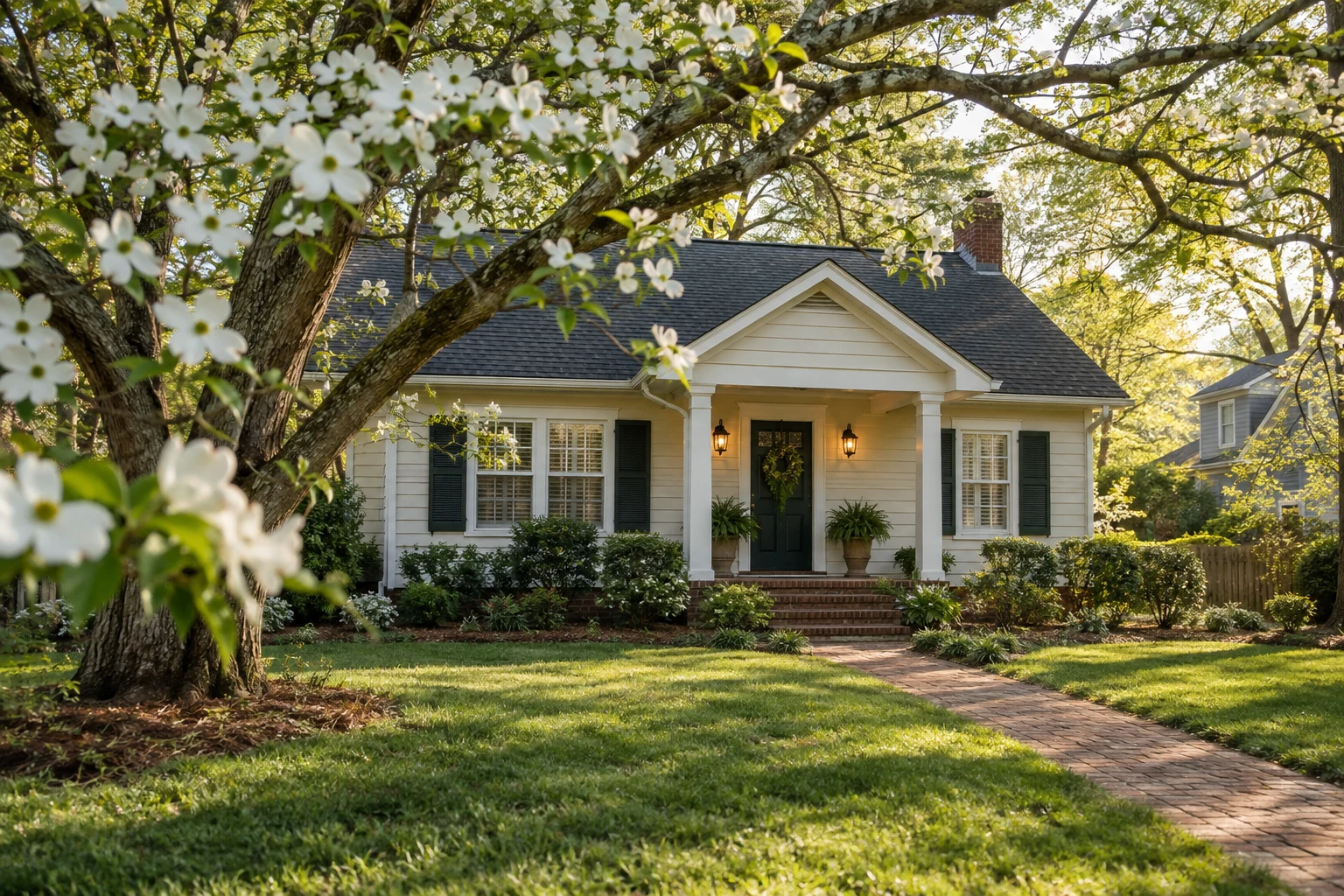
Is Now a Good Time to Sell a House in North Carolina?
What the NC REALTORS® August 2026 figures say about supply, closed sales and price tiers — and why your circumstance usually sets the date, not the market.

How long foreclosure really takes in North Carolina, walked clock by clock: the 120-day rule, the 10-day notice, the clerk’s six findings and upset bids.
Prefer to talk it through? Call (984) 489-8269
The first question most homeowners in foreclosure ask is: how long do I actually have? The answer they have usually been given is a guess. Search the question and you will find pages confidently saying three months, six months, nine months — with nothing behind the number.
There is a better way to answer it. North Carolina foreclosure runs on a set of clocks written into statute and federal regulation. None of those clocks tells you the exact day your house would sell, because counties, servicers and courts move at their own pace. But together they tell you where the earliest possible dates are, and which parts of the calendar nobody can shorten. That is the difference between panic and a plan.
This guide walks the clock, section by section, with the statute for each step. It is general information about the law, not legal advice about your case. If a foreclosure has been filed against you, talk to a lawyer (Legal Aid of North Carolina may be able to help at no cost) or a HUD-approved housing counselor, which is free. Our foreclosure guide lists where to find one.
Where are you on the clock?
Rather talk to a person? Call (984) 489-8269
Miss one payment and you will hear from your servicer — late fee, phone calls, letters. That is collection activity, and it is allowed. What is not allowed yet is foreclosure itself.
Under the CFPB's mortgage servicing rules, a servicer "shall not make the first notice or filing required by applicable law for any judicial or non-judicial foreclosure process unless a borrower's mortgage loan obligation is more than 120 days delinquent" — 12 CFR § 1024.41(f)(1). There are narrow exceptions in the rule, but for an ordinary owner-occupied loan, that four-month window is real protected time.
It is also the most useful time you will ever have. This is when reinstatement is cheapest, when a loss mitigation application still has room to be reviewed, and when a sale can be arranged without a court date in the background. Our page on being behind on mortgage payments walks through what is realistic at one or two months behind versus five or more.
The thing that most often goes wrong here is silence. People stop opening the mail somewhere around month two, and by the time they reopen it the cheap options are gone.
Before any of the court steps, North Carolina adds a requirement of its own for home loans. Under N.C.G.S. § 45-102, the servicer has to send a pre-foreclosure notice at least 45 days before filing. It has to describe the default and the options for resolving it. That notice is a real clock item, and it is usually the last quiet stretch before the calendar starts moving on somebody else's terms.
North Carolina's power-of-sale foreclosure lives in Chapter 45, Article 2A of the General Statutes. It begins when the trustee or substitute trustee files a notice of hearing with the Clerk of Superior Court in the county where the property sits.
That notice has its own timing requirements. Under N.C.G.S. § 45-21.16(a), the notice must be served on each party at least 10 days before the date of the hearing. Where personal service cannot be made and the statute's posting route is used instead, the notice must be posted on the property at least 20 days before the hearing.
So the arithmetic of this stage is simple: from the day a notice of hearing reaches you, the hearing itself is at least ten days out. Not months. Ten days is a floor, not a typical wait — clerks' calendars are usually longer than that — but it is the number to plan against, and it is the reason a notice of hearing is the moment to make calls rather than the moment to wait and see.
See your cash number while there is still time on the clock.
Facing a sale date? See your number first.
No obligation. You decide after you see the offer in writing.
Prefer to talk it through? Call (984) 489-8269
A foreclosure hearing before the clerk is not a trial about whether foreclosing is fair. It is a narrow proceeding, and N.C.G.S. § 45-21.16(d) lists what the clerk must find before authorizing a sale:
Two things follow from that list. First, the hearing is short — this is a checklist, not a hearing about hardship. Second, the checklist is about the lender's paperwork as much as about you, which is why a foreclosure defence attorney reads the file before the hearing rather than after.
We will not guess what a clerk would find in your case, and you should be sceptical of anyone who does. What we can say is that appearing matters: the statute contemplates a hearing with parties present, and a homeowner who shows up is in a better position than one who does not. If the clerk authorizes the sale, you have 10 days to appeal that order to superior court, where the hearing starts over.
If the clerk authorises the sale, a notice of sale is issued and the auction happens — in most counties, on the courthouse steps.
Here is the part of North Carolina's process that surprises people from other states. The auction does not end it. Under N.C.G.S. § 45-21.27(a), an upset bid may be filed with the clerk by the close of business on the tenth day after the report of sale is filed. And if one is filed, the clock does not simply expire — the statute is explicit that "there shall be no resales; rather, there may be successive upset bids each of which shall be followed by a period of 10 days for a further upset bid."
So the tail of a North Carolina foreclosure is elastic. One upset bid buys ten more days. Two buy twenty. Be clear about what that period does for you, though: it lets other bidders raise the price, it does not let you undo the sale. What it can give you is time to redeem — to pay off the debt and costs under § 45-21.20 before the last period ends. Our foreclosure guide covers the same period in plain language, and the FAQ answer on how long foreclosure takes in North Carolina summarises the whole arc.
Selling is on the list of options at nearly every point above, and it is the only one whose timing you control rather than apply for.
A traditional listing is usually the wrong instrument this late: finding a buyer, waiting on their financing and clearing an appraisal usually takes months, even when it goes well, and a financing fall-through puts you back at the start with less calendar left. A cash sale is faster because there is no lender on the buyer's side to wait for.
For our part, the timeline is the one published on every page of this site: a written offer within 24 hours, with no visit needed, and closing in as little as 14 days, or later if you would rather have more time — you pick the date. There are no commissions and no closing costs charged to you. If your sale date is three weeks out, it may be possible if the title is clean; call now rather than later. If it is three days out, it probably is not, and we will say so rather than string you along.
We will also tell you when selling is the wrong answer. If you are underwater, a cash sale cannot cover the payoff and a short sale is the better conversation. If your income is coming back next month, reinstatement keeps more of your money than we can. That is written on our foreclosure page too, and we mean it.
A written offer within 24 hours of one call. Close in as few as 14 days.
There is no single number, and anyone quoting one precisely is guessing. What is fixed is the sequence: more than 120 days of delinquency before the first notice or filing under 12 CFR § 1024.41(f); at least 10 days between service of the notice of hearing and the hearing under § 45-21.16(a); then the sale; then at least 10 more days of upset bid period under § 45-21.27(a), restarting with each new bid. County calendars and servicer behaviour fill in the gaps between those floors.
The federal rule is measured in days delinquent, not payments missed: more than 120 days. In practice that is roughly four missed payments, but a partial payment or a loss mitigation application in flight can change the picture, so count days rather than envelopes. The FAQ answer on selling to stop a foreclosure covers what remains possible after that point.
Not by itself. For at least ten days anyone can file a higher "upset bid", and each bid restarts the clock. That period lets other bidders raise the price; it does not let you reverse the auction. What it does give you is time. Until the last period ends, you can generally still stop the sale by paying off the debt and the costs, or by closing a sale that does it for you. The house is not truly gone the afternoon of the auction, but the route back is redemption, not the upset bid. Talk to a lawyer immediately.
If you are somewhere on this clock and want a concrete number to weigh against it, you can get a written cash offer with no cost and no obligation, and compare it honestly to reinstating, modifying or letting the process run. Whichever way that comparison goes, knowing where you stand on the calendar is the first thing that makes the decision yours again.
We answer directly, no phone tree. A 15-minute conversation about your property and your situation.
No visit is needed before the offer. Don't clean, don't stage. We've seen it all.
Clear math, and we explain how we got to the number. Close in 14–30 days, or later if you need more time.
Takes about a minute.
or call (984) 489-8269
What the NC REALTORS® August 2026 figures say about supply, closed sales and price tiers — and why your circumstance usually sets the date, not the market.

Price, costs, time and certainty — the four numbers that decide it, with NC excise tax, third-party closing-cost estimates and carrying cost worked in.
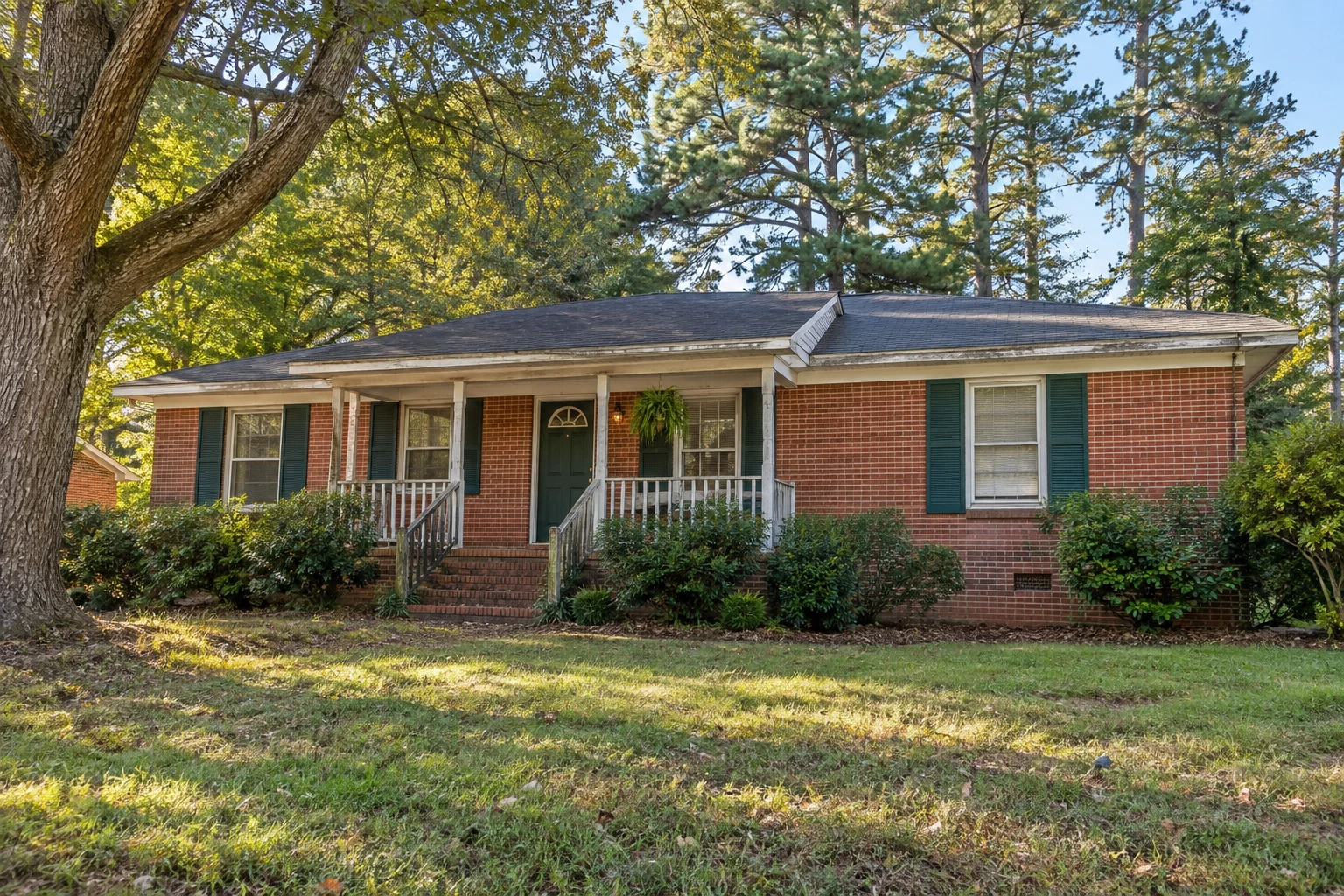
As-is means no repairs, not no disclosure. Chapter 47E, the “No Representation” answer, who is exempt, and how to decide between fixing and selling.
Get a written cash offer within 24 hours of your call. No pressure, no obligation, no cost.
Rather talk to a person? Call (984) 489-8269
No obligation. You decide after you see the offer in writing.